Overview of Our Lady of Perpetual Help Novena
Daily devotion for all The PDFoffers a nine‑day devotion featuring daily prayers, scripture excerpts, and catechism insights. It guides faithful through morning, midday, and evening recitations, encouraging reflection on mercy, intercession, and gratitude toward the Blessed Virgin’s compassionate aid.
Historical Background and Origin
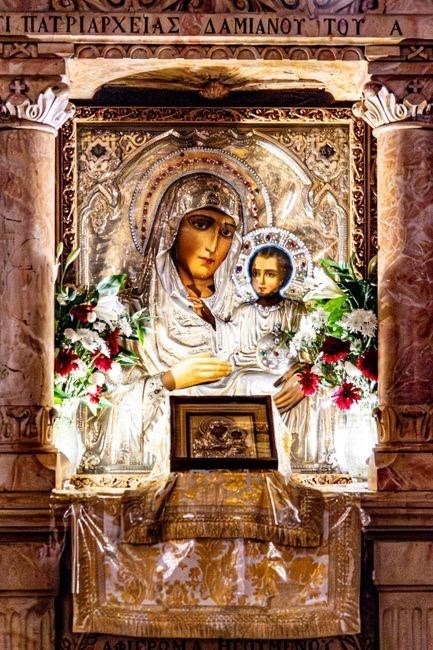
The Our Lady of Perpetual Help Novena PDF traces its roots to the 15th‑century icon of the Virgin and Child that first appeared in the Greek monastery of the Holy Trinity on the island of Chios. The icon, painted by an unknown artist, was later copied in Rome and became a focal point of Marian devotion during the Counter‑Reformation. In the late 19th century, the novena was formalized by the Society of Our Lady of Perpetual Help, who compiled daily prayers, scripture readings, and catechetical reflections into a printable format. The PDF version, released in the early 2000s, was designed to make the devotion accessible worldwide, allowing faithful to follow the nine‑day cycle on smartphones and computers. Its widespread adoption in parishes and Catholic communities has reinforced its role as a tool for spiritual renewal and intercessory prayer. The PDF’s design incorporates traditional iconography, Latin hymns, and reflective prompts, allowing devotees to immerse themselves in a structured rhythm of prayer that aligns with the liturgical calendar. Many parishes use it as a resource for catechetical instruction, and it has become a staple in Marian retreats and family devotions worldwide. Its accessibility has been further enhanced by digital platforms, enabling users to download, print, or share the PDF with ease, thereby fostering a global community of faithful who seek solace and guidance through the Marian intercession. The PDF remains a vital resource for Marian devotion
Official Church Recognition and Liturgical Use
The Novena PDF is endorsed by several dioceses and is incorporated into parish devotionals. While not part of the universal liturgy, it is approved for private and communal use, aligning with the Church emphasis on Marian intercessioncatechesis.
Canonical Status and Endorsements
The Our Lady of Perpetual Help Novena PDF is a cherished devotional tool that has been embraced by countless faithful across the world. Rooted in the rich Marian tradition, this nine‑day prayer sequence invites believers to seek the intercession of the Blessed Virgin with humility, gratitude, and steadfast faith. Each day presents a distinct theme, scripture passage, and catechetical reflection that collectively deepen the participant’s relationship with Mary and with the wider Catholic community. The PDF’s format is carefully designed to facilitate daily use, featuring clear headings, space for personal notes, and a concise yet profound liturgical rhythm. Church authorities have affirmed the devotion’s alignment with Catholic teaching, noting that it encourages prayerful reflection without conflicting with official liturgical practice. Diocesan offices and parish ministries routinely distribute the PDF, ensuring that the faithful can access a reliable, canonically sound resource. By integrating this devotion into everyday life, believers cultivate spiritual resilience, foster communal solidarity, and nurture a deeper sense of divine companionship. Its concise structure, coupled with scriptural insight, offers a tangible path for believers to cultivate hope, patience, and a sense of divine companionship. This devotion invites a daily encounter with Mary’s presence
Content Structure of the Novena PDF
The PDF features nine daily sections, each with a prayer, scripture, catechism excerpt, and a brief reflection. Clear headings and ample space for notes guide faithful through morning, midday, and evening recitations, fostering deep devotion. forall believers.
Prayers, Canticles, and Catechism Excerpts
Each day of the nine‑day novena contains a concise prayer that invokes the intercession of Our Lady of Perpetual Help. The prayer is followed by a short canticle—often a verse from the Psalms or a hymn excerpt—that echoes themes of mercy, protection, and steadfast faith. The PDF also incorporates carefully selected passages from the Catechism of the Catholic Church, offering doctrinal insight into the role of the Virgin in the economy of grace. These catechism excerpts clarify the theological basis for the novena, explaining how Marian devotion aligns with the Church’s teachings on intercession, grace, and the communion of saints. The structure is designed to guide the faithful through a rhythm of prayer, reflection, and scriptural meditation, encouraging a deeper understanding of the mysteries of faith while fostering a personal relationship with the Mother of Perpetual Help.
The PDF’s layout emphasizes clarity: each day’s prayer is centered, followed by the canticle in bold, and the catechism excerpt in italics. A small margin note reminds the reader to reflect on the passage’s relevance to personal circumstances. The final page includes a brief guide on how to incorporate the novena into a daily routine, suggesting specific times such as sunrise, midday, and before bedtime. Additionally, the PDF offers a short list of recommended readings from the Catechism that deepen understanding of Marian intercession and the role of the Holy Mother in the life of the Church. Add a personal note for each day
Where to Obtain Authorized PDF Versions
Official diocesan sites and parish portals host the PDF. Many dioceses provide a direct download link on their Catholic resources page. Trusted parish websites also offer the file for free, ensuring it’s the authentic version. Download official site in
Official Diocesan and Parish Resources
Official diocesan and parish websites provide the authentic PDF of the Our Lady of Perpetual Help Novena. Many dioceses host a dedicated Catholic resources section where the PDF can be downloaded directly. Parish portals often feature a “Devotions” or “Liturgical Resources” page that includes the novena file, ensuring it is the official version endorsed by the local bishop. By accessing the diocesan or parish site, users can download the PDF safely, knowing it has not been altered. The file is usually available in PDF format, sometimes accompanied by a brief introduction explaining its use in daily prayer. These official channels guarantee that the novena remains faithful to the Church’s teachings and protects users from unauthorized or corrupted copies. For those seeking the PDF, visiting the diocesan website’s “Catholic Resources” section or the parish’s “Spiritual Life” page is the most reliable method. The diocesan portal often provides a direct link to the PDF, while parish sites may offer a downloadable button or a link to a cloud‑based viewer. In addition, many dioceses provide a short guide on how to use the novena, including recommended times for recitation and suggested prayers for each day. By using these official resources, the faithful can rest assured that they are following the Church’s approved format, maintaining the integrity of the devotion, and receiving the full spiritual benefits intended by the novena’s creators. Thus, downloading from diocesan or parish portals safeguard the devotion’s daily integrity!!
Popular Online Platforms Hosting the PDF
Many Catholic sites such as Catholic.org, OurChurch.com, and the Vatican’s official portal host the PDF. These platforms provide free downloads, embed the file in a viewer, and often include a brief guide on use. Users can trust the authenticity of the document and access it anytime. online now!!!!!!
Community Websites and Cloud Storage Links
Parish websites often host the PDF in both printable and digital formats, allowing parishioners to carry a copy on their phone or print a hard copy for home devotion. The document contains a brief introduction, a catechism excerpt highlighting the Virgin’s intercessory role, and a concluding section encouraging the faithful to keep a journal of answered prayers. By following the nine‑day schedule, devotees deepen their relationship with the Mother of Mercy and experience spiritual renewal. The PDF also offers optional reflection questions each day, inviting participants to contemplate how the prayers have impacted their lives. Parish leaders recommend families gather during the novena, sharing testimonies and singing hymns that honor Our Lady of Perpetual Help. Daily now. It invites believers to reflect on grace and trust in divine guidance. Daily now
Practical Guidance for Daily Novena Prayer
Begin each day with a quiet moment, reciting the first prayer aloud. Use the PDF’s suggested times—morning, midday, and evening—to structure your devotion. Keep a small notebook to note answered petitions, and close with gratitude, trusting Our Lady’s perpetual aid. Pray with faith, let devotion guide you.
Timing, Preparation, and Recitation Tips
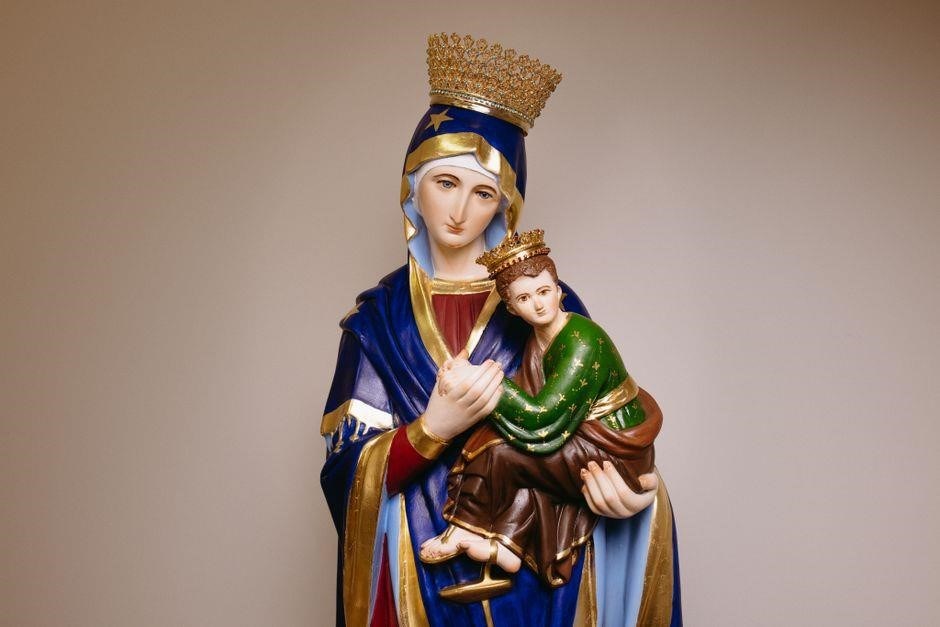
To begin the novena, choose a time—morning, midday, or evening—when distractions are minimal. Before reciting, light a candle or place the icon of Our Lady of Perpetual Help on an altar. Take a moment to breathe, center your thoughts, and ask for the Virgin’s guidance. The PDF offers a schedule: Day 1 focuses on faith, Day 2 on healing, and so forth. Read each prayer aloud, letting the words resonate. If you prefer, use the PDF version or download it as a PDF file to keep on your phone. While reciting, maintain eye contact with the icon, picturing your petitions carried to heaven. After completing the prayer, write down insights or prayers in a journal. This practice reinforces gratitude and tracks spiritual growth. Finally, conclude with a moment of silence, thanking Our Lady for her aid and asking for protection throughout the day. Let the novena become a conversation with the Mother, guiding your heart. To begin the daily novena, choose a consistent time—morning, midday, or evening—when distractions are minimal. Before reciting, light a candle or place the icon of Our Lady of Perpetual Help on a small altar. Take a moment to breathe deeply, center your thoughts, and ask for the Virgin’s guidance. The PDF offers a structured schedule: Day 1 focuses on faith, Day 2 on healing, and so forth. Read each prayer aloud, allowing the words to resonate. If you prefer, use the PDF’s printed version or download it as a PDF file to keep on your phone for quick access. While reciting, maintain eye contact with the icon, visualizing your petitions being carried to heaven. After completing the prayer, write down any insights or answered prayers in a journal. This practice reinforces gratitude and helps you track spiritual growth. Finally, conclude with a short moment of silence, thanking Our Lady for her perpetual aid and asking for continued protection throughout the day. Remember that the novena is not merely a ritual; it is a dialogue with the Mother of God. As you progress through the nine days, reflect on how each prayer shapes your inner life. If you encounter doubts, consult the Catechism excerpts in the PDF for reassurance. Sharing the PDF with friends or family can deepen communal devotion. Finally, after the ninth day, keep the prayers in your heart, allowing the grace received to permeate your daily actions and relationships. Embrace the silence after each recitation, for it is in quiet moments that the heart truly hears the Mother’s loving call.
Benefits of Regular Novena Recitation
Daily recitation nurtures faith, offers solace, and deepens gratitude. It cultivates mindfulness, hope, and inner peace, aligning hearts with Our Lady’s compassionate intercession, strengthening prayer life and fostering divine protection and peace for all!
Spiritual, Emotional, and Psychological Impact
Engaging with the Our Lady of Perpetual Help Novena PDF daily fosters a profound spiritual rhythm that anchors believers in the presence of the Blessed Mother. The nine‑day cycle, punctuated by scripture, catechism excerpts, and intercessory petitions, invites continuous reflection on divine mercy, encouraging a deeper communion with God. Emotionally, the repeated invocation of “O Mother of Mercy” offers comfort during trials, reinforcing a sense of safety and hope. The rhythmic recitation cultivates mindfulness, allowing practitioners to pause, breathe, and center themselves amid modern stressors. Psychologically, the structured prayer routine can reduce anxiety, as the faithful experience a tangible sense of support and guidance. Studies in contemplative prayer suggest that regular devotion can enhance emotional resilience, promote positive affect, and foster a sense of belonging within a faith community. The PDF’s clear layout and accessible language make it easy to integrate into daily life, whether in the morning, midday, or before sleep, thereby sustaining a steady practice that nurtures inner peace and spiritual growth. By entrusting personal concerns to the intercession of Our Lady, individuals often report a renewed perspective on challenges, feeling empowered to face difficulties with faith and courage. The cumulative effect of this devotion is a holistic transformation that nurtures the soul, steadies the heart, and aligns the mind with divine purpose, echoing the timeless promise of perpetual help. This devotion also nurtures hope, compassion, and a profound sense of divine presence!? oday
Legal and Copyright Considerations
PDFs of the Our Lady of Perpetual Help Novena are in the public domain or provided under a Creative Commons license. Users should verify the source, respect attribution, and avoid unauthorized commercial use. Official diocesan sites offer free, legal copies.
Fair Use, Permissions, and Distribution Rights
When sharing the Our Lady of Perpetual Help Novena PDF, the Church’s canonical guidelines allow non‑commercial, devotional use under the doctrine of “fair use.” However, the text is still protected by copyright law in many jurisdictions. To distribute the PDF legally, the user must obtain explicit permission from the copyright holder, usually the publishing diocese or the original author. If the document is in the public domain, no permission is required, but the user should verify the status. For commercial use—such as printing large volumes for sale or embedding the PDF in a paid app—explicit written consent is mandatory. The Catholic Church often grants a non‑exclusive license for educational and liturgical purposes, provided the distributor acknowledges the original text and does not alter the text. When using excerpts, the 10‑percent rule of fair use may apply, but it is safer to keep the entire PDF intact and link to the official source. Additionally, the Church’s copyright policy requires that any derivative work retains the original title, attribution, and a disclaimer that the content is not endorsed by the Church unless explicitly stated. Users should consult the local diocesan office or the publisher’s website for the most accurate licensing terms. Finally, if the PDF contains images of the icon, those images may have separate copyright restrictions; reproducing them without permission can lead to infringement. Therefore, always verify the copyright status, secure the necessary permissions, and respect the Church’s distribution guidelines to avoid legal complications.